
What a Quality Remodel Actually Costs in Metro Detroit — And Why
The number you’re about to read might surprise you. But the reason behind it will make complete sense.
There’s a question we hear in almost every first conversation we have with a homeowner in Metro Detroit. It comes in different forms - cautious, direct, sometimes almost apologetic, but it’s always the same question:
“How much is this going to cost?”
It’s a fair question. A necessary question. And one that deserves a real answer, not a vague range designed to get you to the next meeting, but an honest look at what quality renovation work actually costs in this market, what drives those numbers, and what it really means when a bid comes in lower than the rest.

Let’s Start With Real Numbers
In Metro Detroit, across the areas we serve such as Plymouth, Northville, Ann Arbor, Birmingham, and the surrounding communities, here’s what a quality renovation realistically looks like in 2026.
Kitchen Renovation
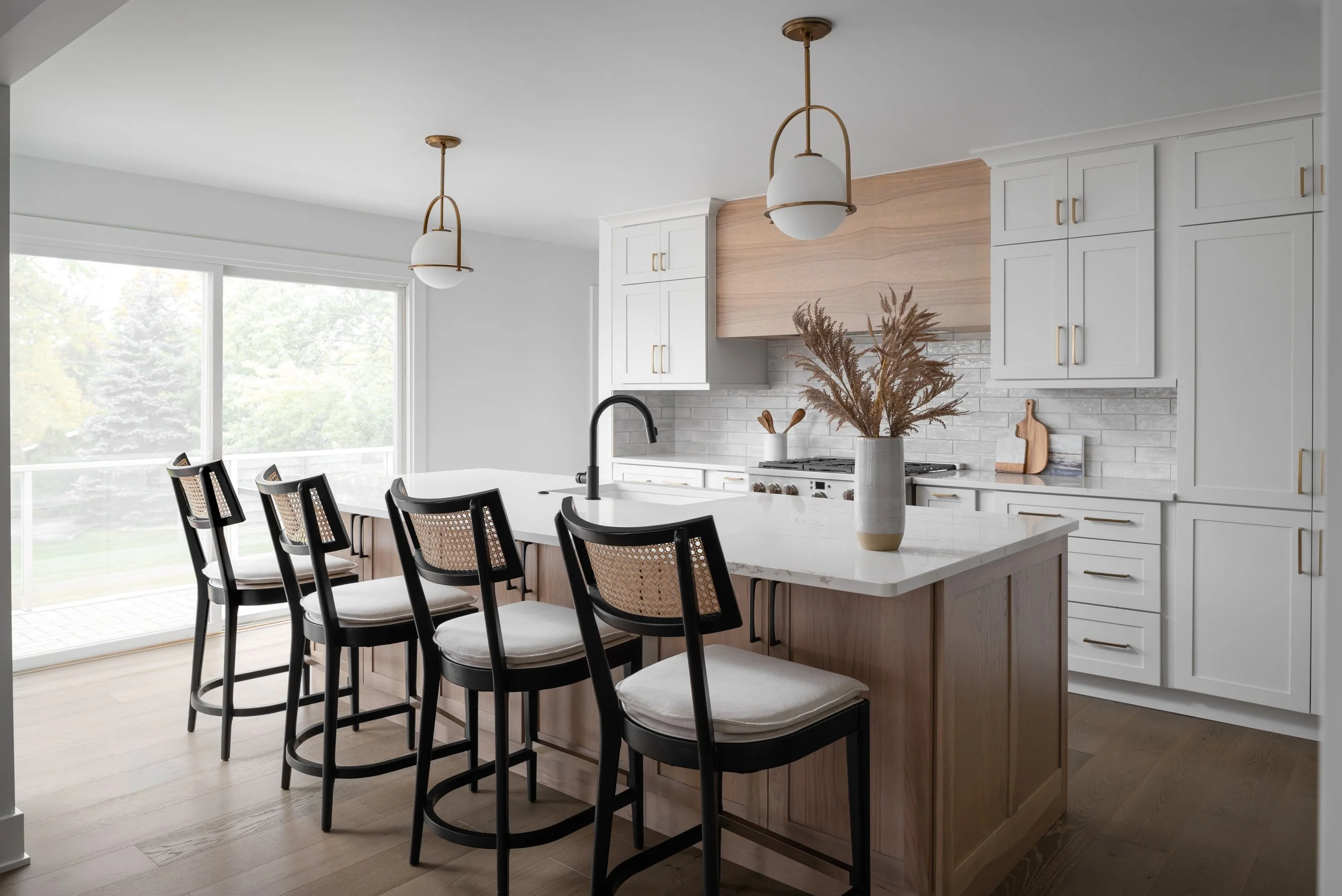
A full kitchen renovation in Metro Detroit typically ranges from $130,000 to $250,000+, depending on layout changes, custom cabinetry, appliance tier, and finish selections. A mid-range kitchen with semi-custom cabinets, quality appliances, and solid countertops lands closer to $130,000 to $170,000. A fully custom kitchen with professional-grade appliances, custom millwork, and premium stone starts at $225,000 and climbs from there.
Primary Suite + Bathroom
Primary suite renovations, including a redesigned bathroom, typically run $80,000 to $150,000 depending on square footage, plumbing relocations, tile work, and fixture selections. A spa-caliber primary bath with a freestanding tub, custom vanity, and high-end tile can easily reach $120,000 to $150,000 when done right.
First Floor Remodel
A first floor transformation — kitchen, living room, dining, structural changes, new flooring throughout — typically ranges from $250,000 to $400,000+ depending on scope. When you’re moving walls, adding windows, and specifying custom cabinetry throughout, the number reflects that.
Full Home Renovation
A complete whole-home renovation, including new mechanical systems (HVAC, electrical, plumbing), finishes throughout, and all new interior design, runs $750,000 to $1,000,000+ for most homes in our market. Gut renovations of larger homes or those with significant structural work regularly exceed this range.
“The cheapest bid doesn’t save you money. It just moves the cost to a place you can’t predict.”

Why Does Quality Work Cost This Much?
Here’s what most homeowners don’t see when they’re comparing bids: the number on the page is only part of the story. What’s behind it matters just as much.
Labor Is The Largest Variable
Skilled tradespeople in Metro Detroit - the carpenters, tile setters, electricians, and plumbers who do exceptional work and show up when they say they will - cost more than those who don’t. That gap has widened significantly over the past five years. When a contractor bids significantly below market, the first place to look is the quality and reliability of their trade partners.
Materials Have Genuine Price Tiers
There is a real and significant difference between a $12/square foot tile and a $45/square foot tile. Between stock cabinetry and custom millwork. Between a builder-grade faucet and a fixture that will still look right in twenty years. Those differences accumulate across a full project, and they show.
Design Takes Time and It Saves Money
Thorough design work done before construction begins is one of the most cost-effective investments in any renovation. When your team knows exactly what’s being built before the first nail is driven, there are fewer change orders, fewer surprises, and less rework. Firms that skip or rush design typically make that cost up on the back end at your expense.
Project Management Has Real Value
A project manager who coordinates trades, catches problems early, keeps the job site clean, and communicates proactively is a line item that pays for itself. The alternative is a job site that runs itself, which is how timelines double and budgets disappear.
WHAT THE LOW BID IS USUALLY TELLING YOU.
We’ve seen it happen to homeowners before they found us. A contractor comes in meaningfully lower than everyone else. It seems like a win. Three months in, the change orders start. Or the subcontractors stop showing up. Or the inspector is called in for a final plumbing inspection without the rough in inspection completed and approved, meaning all of the tile work gets inspected and has to come out.
A low bid typically means one or more of the following: the scope is incomplete (things will be added later), the labor quality is lower, the materials are being substituted, or the timeline assumptions are unrealistic.
None of those things save you money. They just move the cost to a place you can’t see until it’s too late.
“A renovation is not a commodity. It’s a relationship, a process, and a result — and all three require the same thing: the right team.”
How To Think About Budget Before You Start
Rather than starting with a number and asking what it can buy, we encourage homeowners to start with the outcome and work backward. What does your home need to feel right? What spaces do you use every day, and how do they fail you? What would make the biggest difference in how you live?
From there, an honest conversation with a design-build team can help you understand the realistic cost of those outcomes in your specific home, in this specific market, right now. That conversation is more valuable than any online calculator (and most of those online calculators are outdated by about 10 years).
And when you’re comparing bids, compare them line by line. Same scope. Same materials. Same level of management and communication. That’s the only apples-to-apples comparison that means anything.
A FINAL THOUGHT.
Quality renovation work in Metro Detroit is not cheap. But the homeowners who have done it right, who hired a team they trusted, stayed engaged in the process, and invested in the outcome they actually wanted, don’t look back and wish they’d spent less. They look at their homes and know exactly where every dollar went.
That’s the kind of investment worth making.
Ready to talk about your project? Start a conversation.
